
“Anthropocene” is about the new geological epoch that humankind has managed to create by altering the planet’s climate, geology, and ecosystems. Human beings have been influencing the planet for a long time, at least since they settled down and began practicing agriculture.
Now we are eight billion people, with a massive impact on the environment, and today we are the greatest agent of change on the planet — and the main determinant of the destiny of future generations.
Two main causes can be identified as the driving forces behind this era: the model of energy production and the model of resource consumption. Energy produced from coal, oil, and natural gas emits large amounts of greenhouse gases, the main contributors to global warming. On the other hand, population growth increases the demand for natural resources, which today exceeds the Earth’s capacity to regenerate them.
Among the consequences are: changes in the water cycle, imbalances and destruction in marine and terrestrial ecosystems, the increase in extreme weather events, ocean acidification, melting of the cryosphere, and the rise in sea levels.
This urgent challenge requires solutions such as the ongoing energy transition — decarbonizing the economy, turning to renewable and non-polluting energy sources, and promoting the responsible and equitable use of natural resources. We must rethink anthropocentrism so that humans respect the environment and development is no longer separated from nature. Humanity’s great challenge is to reconcile our aspirations and needs with a sustainable future.
Experts agree: it is not enough to fight climate change. We must understand our vulnerabilities, innovate, and adapt if we want to endure. Ignoring the risks could prove extremely costly.
Fernando Moleres

Belchatow Poland, 2023

Neurath coal power plant, Germany 2025

Pollution. Shanghai, China

Pollution and health

Pripyat, abandoned city in Chernobyl, 2016

Dismantling the Chernobyl nuclear power plant, 2016

Oil spill Prestige-Galicia, 2003

Hambach coal mine, Germany 2025

Hambach Coal mines , Germany, 2025

Riotinto cooper mine, Spain, 2020

Riotinto cooper mine, Spain, 2020

Marble quarries Carrara-italy, 2021

Chuquicamata cooper mine, Chile,2020

Massive use of combustion engine cars. USA

Cruises and pollution, Barcelona 2024

Ship scrap & pollution, Bangladesh
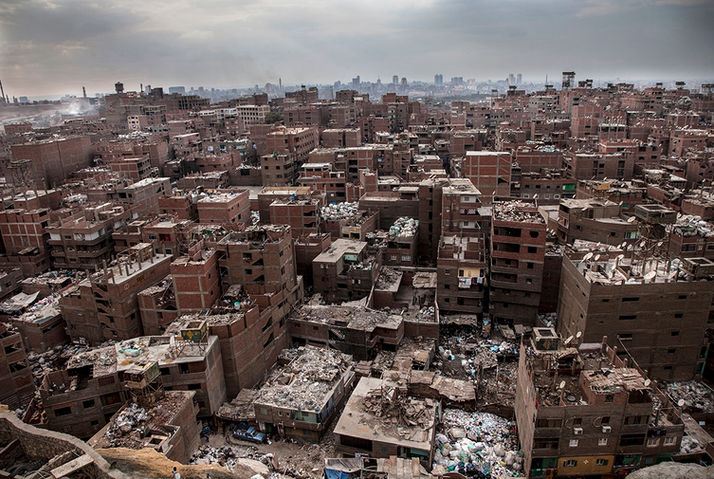
Urban waste management, Cairo

Ewaste export to Ghana

Ewaste export to Ghana

Climate refugees in Accra, Ghana

Waste management , Naples 2025

Greenhouses and the management of water, pesticides and waste. Almeria, Spain 2020

Microplastics in Mediterraneo,2023

Ultra-fast fashion and environmental problems. Hempel factory, China
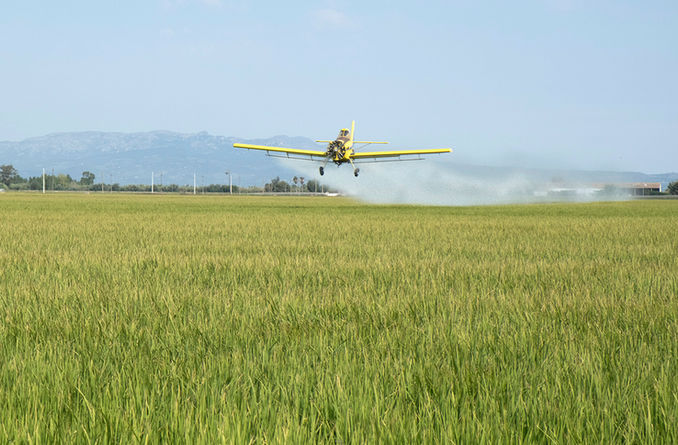
Pesticides

Soy & cattle: deforestation, Amazon

Development and enviroinmental sustainability

Development and enviroinmental sustainability

Mass tourism Benidorm
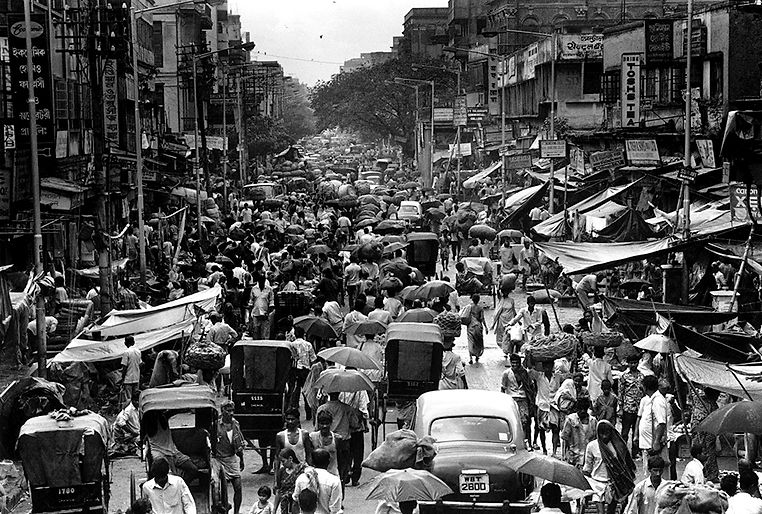
Overpopulation, cities and resources: Calcutta

Sand mining and environmental problems.


Drought, northern Catalonia, 2023

Floods. Ebro Delta river, Spain 2020

Storm in Mediterranean sea

Floods with 229 deaths, Valencia 2024

Floods in Calcutta

Glacier collapse linked to climate warming. Blatten, Switzerland, 2025.

Protecting Rhone glacier, Alps 2020

Ice blue cave, Iceland, 2028

Montblanc glaciers 2019

Montblanc glaciers 2026

Greenland 2014

Atacama desert

Andean glaciers 2020

Climate Justice, South Sudan, 2010

War and food security, Rwanda

Fridays for Future, Barcelona

Fire in Huelva 2020

Burned villages, Galicia 2025

Volcanic eruption on La Palma, Spain, 2022


Thermal solar plant, Atacama 2020

Geothermal energy, Iceland

North Sea, Netherlands, 2025

Biggest solar park in EU, south spain, 2021

Desalination plant, Mediterraneo 2024


Sustainable building Ko-Bogen II Dusseldorf, 2025
Climate activists, Hambach mine, Germany 2025
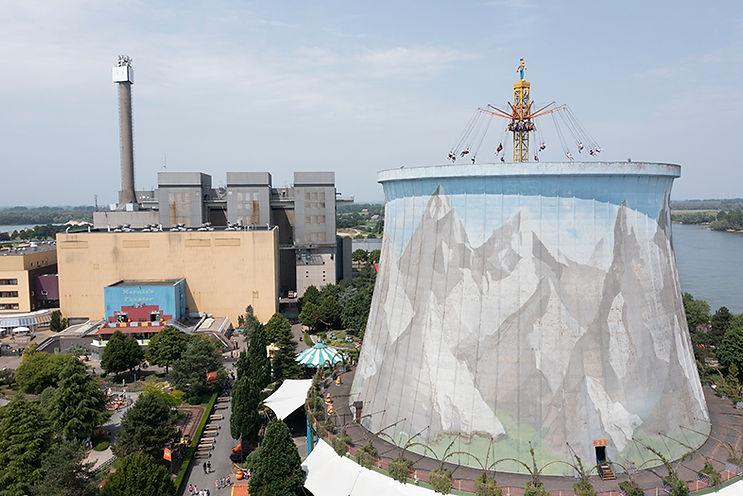
Goodbye to nuclear energy in Germany

Zollverein, Essen, from coal to world heritage, 2025

Electric car plant, Germany 2025
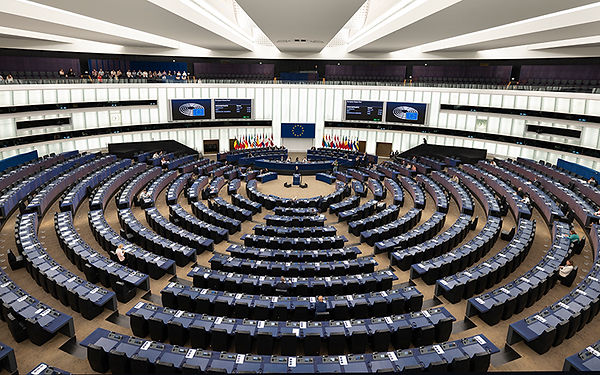
European Parlament during Ocean Pact 2025
LET'S TAKE CARE OF THE PLANET
If we don't want to see part of our current biodiversity preserved behind glass as a form of preventative captivity, let's take responsibility for our planet.

